JavaScript SEO Blind Spots – Detected. Fixed. Visible.
Your JavaScript site looks proper to users. To Google and AI crawlers, it may be hardly empty. JetOctopus shows you exactly what bots see and what they miss.

The Same Page. Three Different Realities.

What Users See

Complete experience after JavaScript executes.

What Google Sees

Median 10 seconds to render.
90th percentile: ~2 minutes.

What AI Bots See
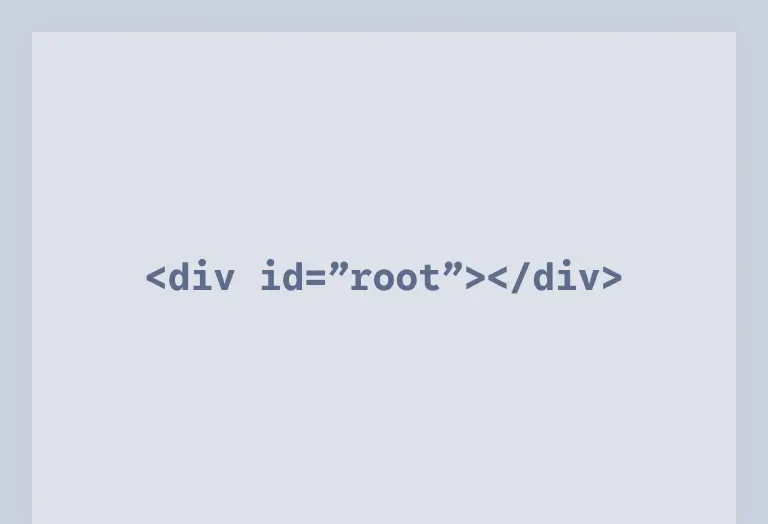
Raw HTML only. No JavaScript execution.
JetOctopus JavaScript Crawler
4 Steps From Discovery to Resolution:
Reveal the Hidden Content
Compare raw HTML vs rendered DOM side by side. Verify what AI bots and Google actually see across all your pages.

Find the Reason
Audit every asset loaded during rendering, catch hydration errors, JS-injected content and links, blocked files and client-side redirects before they kill your crawl budget.

Address the Issue Clearly
Stop saying "it's broken" and show the proof. Share links directly to reports and data tables for your developers
to act on immediately.

Scale In Cloud
No local machine limits. Crawl millions of URLs with custom viewports, user agents and rendering timeouts. JavaScript crawling at enterprise scale.

Real-World Use Cases
Problem, action, outcome — for every
JS SEO scenario

Inherited a JavaScript Site
You took over a React/Vue/Angular site and traffic is declining. Run a two-stage crawl to compare raw HTML vs. rendered DOM and see exactly what Google and AI bots are missing.

Prevent a Migration Disaster
Before you switch DNS, crawl your current site and benchmark it against the new architecture. Catch rendering failures and content gaps before they cost you rankings.

AI Visibility Concern
AI chatbots may be ignoring your products or getting them wrong. See your site the way GPTBot and ClaudeBot see it — and fix what's invisible before competitors take those citations.
What Makes JetOctopus
the Best JavaScript
Site Crawler

Crawler on the Market
1M+ pages a day. Built for enterprise-scale sites and real-time technical audits. No local machine limits, no slowdowns on render-heavy sites.

vs Non-JS Rendering
See exactly how JavaScript changes your pages — titles, meta descriptions, body text, internal links and indexing signals. Side-by-side raw HTML vs rendered DOM, so you know what search engines and AI crawlers actually see.

as Googlebot
See your pages exactly as Googlebot does with JavaScript fully rendered. Identify missing elements, blocked resources and content invisible in the rendered DOM.

Log Analyzer
Track how Googlebot, Bingbot and AI bots interact with your site. Spot rendering delays, missed pages and hidden sections across both search and AI bots.
Trusted by Technical SEO Teams

Growth Advisor (Hims, Softr, Riverside) and Partner at Hypergrowth
JetOctopus compiles ideas based on your crawl data. For example, it will suggest fixing pages by business impact or internal links you can build. The fact that it brings crawl data, search console, log files, and Google Analytics together makes it a tool you want to log in every day.
 Ann Smarty
SEO Influencer, seosmarty.com
JetOctopus is probably one of the most efficient crawlers on the market. It's fast and incredibly easy to use, even for a non-SEO. Its most convincing selling point is that it has no crawl limits, no simultaneous crawl limits and no project limits giving you more data for less money. If you are working on a huge database-driven website, you'll definitely find it a money- and time-saver.

Google SEO Expert, josenunez.us
JetOctopus is my go-to crawler for Technical SEO audits for Google. From crawl budget waste to 404s, or unwanted (non-SEO) pages which are negatively impactful when indexed, JO has me covered. It has become a very powerful alternative to other tools available like Screaming Frog or Deep Crawl.
 Jeremy Rivera
Founder of SEO Arcade
I have to say that I absolutely LOVE the visualization oriented functions of Jet Octopus. I'm a veteran with crawling tools and have tried dozens of various crawling solutions from free to enterprise. It's a super power to be able to see literally dozens of different slices of data visualized in charts, graphs and venn diagrams.
 Alex Buraks
Head of Growth, DiscoverCars.com
Jetoctopus is very powerful at logs analysis in connection with crawling data. They have a very quick and powerful Segmentation with regexp so it is possible to segment literally everything. Overlapping data from logs+crawling opens a lot of new opportunities for deep analytics and effective technical SEO optimization.
 Nikki Halliwell
Technical SEO Manager, Rise at Seven
I love that JetOctopus allows you to perform very thorough analyses of both the internal and external linking structures of your website. Jet Octopus is great at visualising the data, including that from PageSpeedInsights — you can see the average score of all your pages including whether they have a poor, average, or a good score.
 Fili Wiese
SEO Expert and ex-Google engineer, fili.com
JetOctopus is a refreshing and new SEO crawler in the market of SEO tools. Its integration with log files and Google Search Console is very useful. JetOctopus has features that other competitors lack, it's fast and it is loaded with graphs and data tables, much more than the average other SEO crawler.