Kevin Indig
Kevin Indig Growth Advisor
Powerful SEO crawler at an affordable price
Read the full review

How to find duplicate H2 headings

In this article, we will guide you on how to identify duplicate H2 headings and discuss the significance of doing so. Duplicate H2 headings can impact the organization and clarity of your website’s content, making it essential to address them for improved user experience and search engine optimization. What is an H2 heading? H2 refers […]
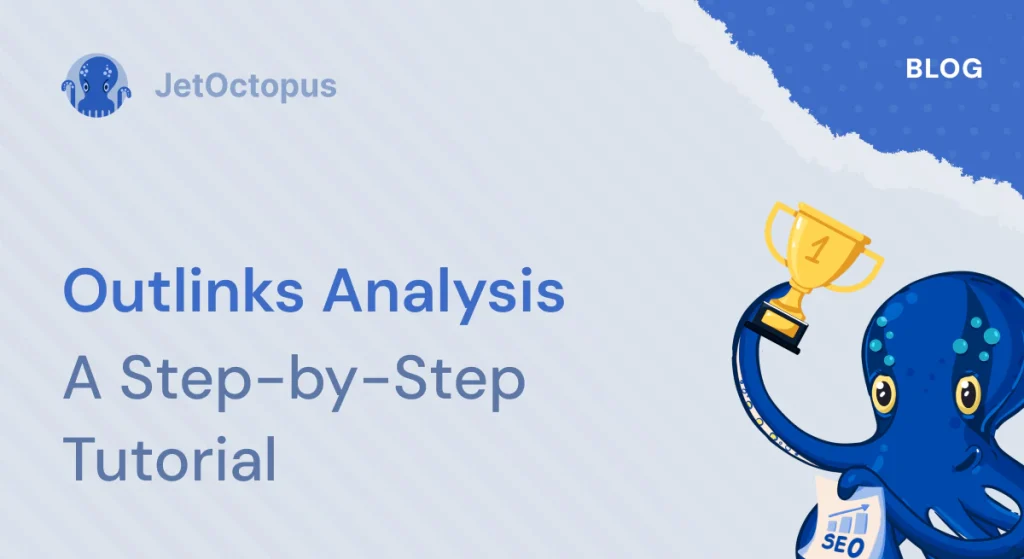
A step-by-step tutorial on analyzing outlinks on a page

Information about outlinks on your website is very important if you are engaged in technical website optimization. In our opinion, analyzing outlinks can be a powerful way to improve SEO. Therefore, in this article, we will explain how to use JetOctopus to analyze outlinks on your pages. We will also discuss why analyzing outlinks is […]

How to analyze timeout errors

Timeouts can be a real pain when you’re trying to improve your technical SEO. If you’re scratching your head wondering what to do when you encounter a timeout, don’t worry – we’ve got you covered. In this article, we will tell you what to do and what to pay attention to if you see a […]

How to count the number of images on a webpage

For many SEOs, it is important to monitor pages that contain an extremely high number of images. Moreover, many specialists need the function of searching for pages without images. Therefore, a simple function like the ability to count the number of images on a page is helpful and necessary. In this article, we will tell […]

401 response codes: a how-to for diagnosing and resolving log file issues

You may have noticed in the Google Search Console reports that some of your pages were not scanned and indexed by Googlebot due to the 401 (Unauthorized) status code. You could also pay attention to this status code by analyzing search engine logs. This is a common issue, so we have decided to share how […]

How-to guide for using the JetOctopus API

We previously announced the release of the API. The JetOctopus API now is available for all our clients. With the API, you can access and utilize JetOctopus’s features programmatically. Here is some basic information about using the JetOctopus API. Using API you can interact with it using HTTP requests. You can send requests to the […]

How to find all nofollow internal links pointing to indexable pages

It is important to find all nofollow internal links pointing to indexable pages because these links can impact the crawlability and ranking of a website. While nofollow links do not pass link equity, they can still impact the way search engines crawl and index a website. If a nofollow internal link is pointing to an […]

How to find JS blocked requests

The popularity of JavaScript technologies is growing rapidly. Every year, more and more websites are migrating to JavaScript. As a result, there is a growing need for high-quality SEO tools that are specifically designed for JavaScript, since SEO for JavaScript has its own unique characteristics. One important aspect of technical JS SEO is the analysis […]

How to identify and fix HTTP images on your website

It can happen that you are using a secure HTTPS protocol on your website and have set up redirects from HTTP to HTTPS. However, your website may still have HTTP resources. In our experience, this happens extremely often with images. During the migration from HTTP to HTTPS, it is easy to forget to configure redirects […]

How to identify missing URLs in your sitemap

Sitemaps help Google and other search engines find new pages on your website and discover pages with updated content. Therefore, it is important to assure that all indexable pages are included in sitemaps. On the other hand, non-indexable and non-200 pages should not be added to sitemaps. In this article, we will tell you how […]

Image analysis issues: why crawler didn’t find all images

Regularly checking the images on your website is important as they can bring organic traffic if they have the right context and correct settings. Images can also affect your website’s SERP ranking if they are accessible and have appropriate tags, such as alt tags that correspond to the image’s content. However, there are situations when […]

JavaScript redirects: how to analyze them with JetOctopus

Most websites use server-side redirects that change the status code of the page. When a client requests a page from the web server, the server returns a permanent or temporary redirect and the new location of the requested page. However, JavaScript redirects use the window.location.replace function, which changes the URL of the requested page in […]

How to count the number of outlinks on the page

Some pages on your website may have many outbound/outlinks. In general, this can worsen the page load or negatively affect the user experience. If there are too many links, it can confuse users. In this article, we will tell you how to quickly count the number of internal or external outlinks on your website. This […]

What “Non text/html page” status code means

JetOctopus supports crawling URLs of various pages and types, so you can see the “Non text/html page” status code in the crawl results. In this article, we will explain what this status code means and how it affects SEO. What is Non text/html page status code The Non text/html page status code indicates that the […]

Product Update. JetOctopus Releases Much-Anticipated API

The world of SEO and website analysis is constantly evolving, and businesses need to stay up-to-date with the latest tools and technologies to stay ahead of the competition. JetOctopus is a powerful platform that offers a range of features to help you analyze your website’s performance and identify areas for improvement. Our team is also […]

403 pages in crawl results

During website scanning, you may come across pages that return a 403 status code. However, you can note that these same pages return a 200 status code when checked manually or via tools such as Google Search Console or Mobile Friendly Test. In this article, we will examine the underlying causes of this behavior and […]

Product update: updated backend boosts interface speed

In order to achieve our main goal, JetOctopus developers have made significant backend updates, resulting in an interface that is overflowing with speed. The improved backend has reduced the time it takes to analyze crawl, logs and other data, making the process faster and more efficient. This update has not only improved the speed of […]

Analysis of the activity of marketing bots

During our comprehensive scan of the internet, we observed a remarkable trend – the number of websites that block marketing bots is increasing year by year. Details are highlighted in the article “Top Insights from JetOctopus Big Data Research“. It appears that website owners are becoming increasingly cautious about allowing various services to crawl their […]

What means “Page Loaded After Error” in crawl results

Analyzing the technical data in the crawl results, you may find that some pages are marked as “Page Loaded After Error”. In this article, we will tell you what this means and why you should pay attention to such pages. What is “Page Loaded After Error” When JetOctopus crawls a website, it performs the same […]

Product Update. Links database is now even faster

We’ve got great news! Now, managing internal links is even easier and faster, thanks to the updated links database from the JetOctopus team. At JetOctopus, we prioritize speed and convenience, so we’ve worked hard to make it even faster for you to analyze broken (and working) internal links on your website. While there may be […]

JetOctopus mascot wearing headphones and holding a microphone

Get exclusive tech SEO insights